
Everything You Need to Know About Insolvency
Everything You Need to Know About Insolvency
Posted on December 19, 2025
Summary
IN SHORT
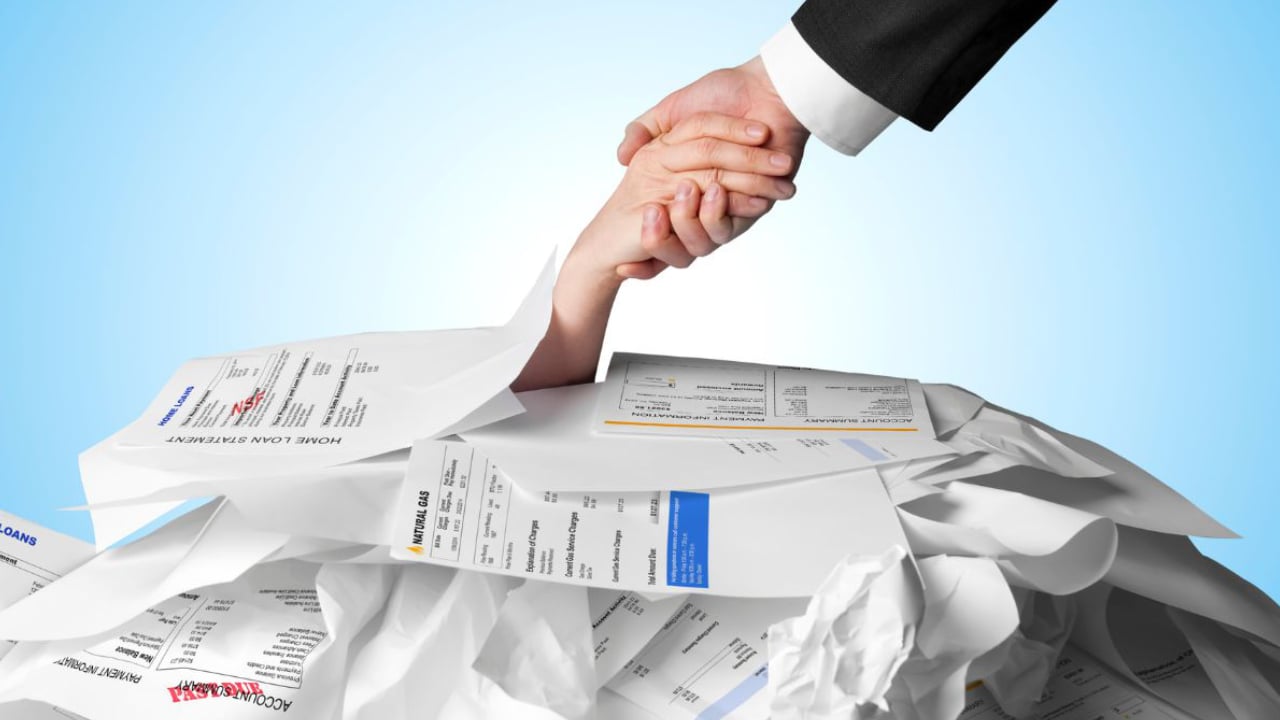
Insolvency is a state of financial distress where an individual is unable to meet financial obligations or repay their debts. While insolvency offers options such as a consumer proposal, bankruptcy is a separate legal process. Signs of insolvency can be identified by: difficulty paying monthly bills and credit cards, growing debt, and challenges managing personal finances. During insolvency, it is still possible to obtain a car loan.
What is Insolvency?
Insolvency is defined as a state of financial distress where you are no longer able to pay your debts on time over a longer period, thus making you insolvent.
Understanding the Inability to Pay Debts
Within the definition of insolvency, there is the notion of a person’s inability to pay their debts. However, it is important to distinguish a temporary delay on a monthly bill from the inability to honour one's obligations over a longer period of time.
When your financial resources no longer allow you to pay your debts and those debts continue to accumulate, you are moving toward insolvency.
The difference between a temporary debt and longer-term, increasing debts serves as a reference point and helps better understand the inability to pay for the individuals concerned.
Common Signs of Insolvency
Insolvency and its definition lead us to identify certain signs that show we are heading in that direction.
Among the telltale signs, you might notice:
- Difficulty paying your bills each month
- Difficulty paying down the balance on your credit cards
- A sudden or prolonged increase in your debts
- A deterioration in your credit score, shown by late payments and accounts in arrears, etc.
- Trouble managing your personal finances effectively

Why the Term “Insolvency.” Does not Necessarily Mean Bankruptcy
If insolvency highlights your inability to repay your debts on time, it does not necessarily mean you are heading toward bankruptcy. In fact, insolvency, in its definition, opens the door to solutions that are less drastic than bankruptcy.
Insolvency, Consumer Proposal and Bankruptcy: What Are the Differences?
There is a difference between bankruptcy and a consumer proposal, just as there is a difference between insolvency and bankruptcy.
The Consumer Proposal: The Most Common Option in Quebec
A consumer proposal is a solution that is increasingly common in Quebec. In practice, it gives the person in financial difficulty the power to negotiate directly with creditors to reduce the amount of their debt and to find a way to repay a sum of money periodically.
A consumer proposal often spans a period of 5 years. Note that obtaining a loan after a consumer proposal is possible. Our advisors are here to guide you in securing your car loan.
Bankruptcy: When it Becomes Necessary
If a person is truly unable to pay back their debts, bankruptcy can become an option to consider.
Unlike insolvency, bankruptcy is a legal process that releases the person from most financial obligations in exchange for part of certain assets. Normally, a period of seven years will pass before this debt is removed from your credit report. As with a consumer proposal, you can obtain a loan even after bankruptcy. Speak about it with one of our advisors. There are solutions within your reach!
How to Know Which Solution Applies to You
Between a consumer proposal and bankruptcy, for example, it is best to speak with a professional who can assess your situation and guide you in one direction or the other. A licensed insolvency trustee is often the best resource.
What is the Impact of Insolvency on your Credit Score?
When you file a proposal related to insolvency, like a consumer proposal, it is recorded on your credit file.
How Your Credit Score is Affected
With the filing of a consumer proposal, your credit will be affected by an R7 rating. Your credit score will decrease by consequence.
It is thus logical to ask the following question: how long does it take to increase your personal credit score? With concrete actions, you can effectively gradually raise your credit score; this may extend over several months.
Typical Time Before the Note Is Removed
A consumer proposal entry will remain for three years after you have finished meeting your obligations with your creditors, or 6 years after it was filed, whichever comes first. That is when the entry will be removed from your credit report.
Is it Harder to Get Financing Afterward?
Normally, it is not difficult to obtain financing after insolvency, especially if the grace periods have been respected.
Can You Buy a Car While Insolvent?
A car loan is accessible, even if you are facing insolvency. To answer the following question directly: can you buy a car while insolvent? The short answer is yes.

How Financement Automobile Montréal can approve your file
Our automotive financing professionals take the time to review each situation and offer financing options that will allow you to leave with the vehicle you want. Financement Automobile Montréal has all the tools required to grant you the loan you need. Our experts work for you and tell you how to increase your credit score over time. What's more, their advice will help you improve your personal finances.
FAQ
What is insolvency?
Insolvency is defined as the inability to pay back debts that continue to increase over a more or less extended period of time. Unlike temporary debt, insolvency is generally measured over time.
What is the difference between insolvency and bankruptcy?
While insolvency originates from a person’s inability to pay back debts on time, bankruptcy is a legal process aimed at releasing you from your debts.
Does insolvency affect my ability to get a car loan?
The impact on credit and car loans can be felt, but there are solutions.
Can I buy a car while facing insolvency?
Yes, it is possible to buy a car while facing insolvency. Ask the experts at Financement Automobile Montréal to provide you with options.
How can I rebuild my credit after insolvency?
There are different ways to rebuild credit after insolvency, including setting a realistic budget, paying bills on time and adopting sound financial habits.