
What is the difference between Equifax and TransUnion?
What is the difference between Equifax and TransUnion?
Posted on August 25, 2026
The TransUnion or Equifax question comes up as soon as you check your file for the first time, often because the two numbers do not match. The difference between Equifax and TransUnion comes down to this: they are two private companies that each calculate your credit score using their own method, based on data that is not always identical. The result is that the same consumer can show two separate credit scores on the same day.
Summary
- Summary
- What are the differences between Equifax and TransUnion?
- TransUnion or Equifax: which one is more important?
- Why is your credit score not the same with Equifax and TransUnion?
- How to check and improve your credit file?
- Should you worry if your Equifax score is different from your TransUnion score?
- FAQ
- Summary
- What are the differences between Equifax and TransUnion?
- TransUnion or Equifax: which one is more important?
- Why is your credit score not the same with Equifax and TransUnion?
- How to check and improve your credit file?
- Should you worry if your Equifax score is different from your TransUnion score?
- FAQ
- FAQ
Summary
- Equifax vs. TransUnion: two separate credit bureaus with different algorithms and sets of data.
- A gap of 10 to 50 points between the two credit scores is considered normal.
- Not all creditors report to both agencies, which explains part of the differences.
- Some auto lenders check only one agency, so it is worth checking your credit score with both.
What are the differences between Equifax and TransUnion?
The information collected
Each credit bureau in Canada builds its own file from data sent by banks, finance companies, and service providers. A creditor is not required to report to Equifax and TransUnion at the same time. A credit card can, therefore, appear in your TransUnion credit report without showing in the one from Equifax, which immediately creates two slightly different pictures.

Score calculation methods
Each agency uses its own model and does not weigh the same factors identically. TransUnion generally relies on about seven years of history, while Equifax calculates over a slightly shorter window of around six years and nine months. This difference in memory can be enough to change the final credit score.
Data updates

Creditors do not send their updates to both agencies on the same day. If you pay down a large balance this week, one agency can reflect the change several weeks before the other. Your credit score is a snapshot at a given moment, and that snapshot can differ depending on the bureau consulted.
Services offered to consumers
Both bureaus let you obtain a free copy of your credit file once per year. TransUnion also offers access in person and by phone, in addition to online and by mail. In Quebec, you can even check your TransUnion score directly with the bureau at no cost, which is useful for monitoring your file without fees.
TransUnion or Equifax: which one is more important?
Neither agency is officially more reliable than the other, and neither takes precedence under the law. What matters is the one your lender chooses to consult for auto financing approval . A bank might pull your Equifax file for a mortgage, while a car dealer or a leasing company often prefers TransUnion for an auto loan. Since you do not know in advance which one will be used, keeping both files up to date is the only real safeguard.
Why is your credit score not the same with Equifax and TransUnion?
Three concrete reasons explain why the same person can get two different credit scores at the same time.
Not all creditors report to both bureaus
Some lenders send their data to one agency, others to both, and a few to none. A well-managed account that is reported only to Equifax can strengthen that file without changing the one at TransUnion. Conversely, a missed payment on a loan reported to a single agency can lower only one of the two scores. These differences can influence your financing options after a bank refusal , especially if a lender checks the bureau where the negative information appears.
Updates can occur at different times
A paid-down balance or a closed account will not show at the same pace in both files. These date gaps create temporary differences until each agency integrates the new information in its own way.
The calculation models are not identical
Because each agency weighs factors differently, the same event, for example a recent credit inquiry, can carry more weight with one than the other. This is the main reason why Equifax vs. TransUnion almost always shows two distinct numbers.
How to check and improve your credit file?
Start by getting your free credit report from both agencies once a year to spot any errors or missing accounts. Then pay your bills on time, keep your card balances under 30 percent of the limit, and avoid making several credit applications in quick succession. These simple habits help both scores recover, even if they do not improve at exactly the same pace.
Should you worry if your Equifax score is different from your TransUnion score?
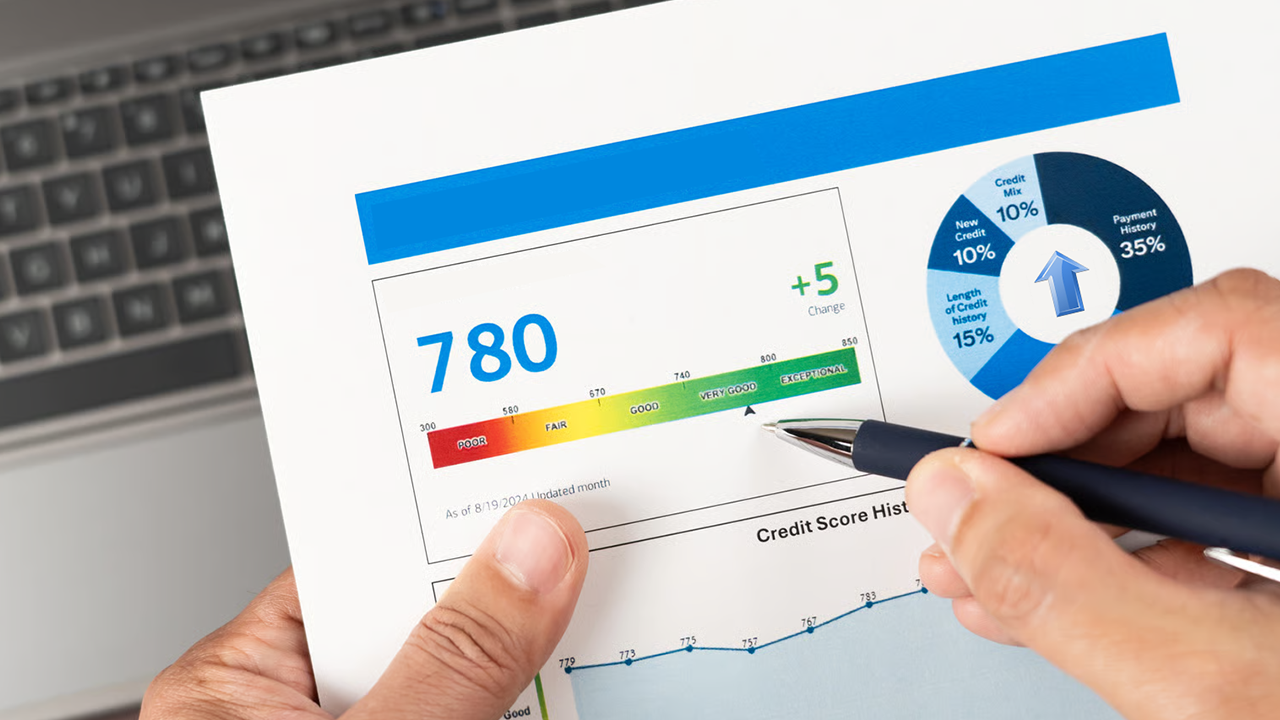
No. A gap of 10 to 50 points between your two credit scores is perfectly normal and does not harm your file. It is only beyond a 75-point gap that it is worth pulling both full credit reports to look for a missing account or an error. For auto financing, a lender who is deciding between two files may sometimes use the lower of the two scores, which makes checking both even more useful before applying for an auto loan and get it approved.
In short, the difference between Equifax and TransUnion is not about reliability. It is about the data and each one's method. Since an auto lender can consult either one without telling you, the smart move is to monitor both files and keep them clean. One useful question before your next application: do both reports tell the same story, or does one hide a surprise?
FAQ
Is Equifax more important than TransUnion?
No. No agency is officially more important. It all depends on which one your lender consults, and there is no obligation to tell you which is used.
Do lenders check Equifax or TransUnion?
It varies by lender. Many banks have historically relied on Equifax, while dealers and leasing companies often prefer TransUnion. Some check both for an important decision.
Why is my Equifax score different from my TransUnion score?
FAQ
Because the two agencies use different algorithms, do not always receive the same data, and update at different times. A 10 to 50 point difference is normal.
Do we use Equifax or TransUnion in Canada?
Both. Equifax and TransUnion are the two main credit bureaus in Canada, and each maintains a separate file on most consumers.
Which credit score is used for auto financing?
It depends on the lender or the dealer. Many auto lenders consult TransUnion, but nothing is guaranteed, so it is best to check your credit score with both before applying.