
Pay cash or finance: what is the best choice for buying a car?
Pay cash or finance: what is the best choice for buying a car?
Posted on September 16, 2026
Paying cash or using auto financing is a real question when you have enough savings to consider both options. The best decision mainly depends on your emergency fund, your monthly budget, and the interest rate you are offered.

Summary
IN BRIEF
Is it better to pay cash or finance a car?
The choice between paying cash and financing a car does not rest on a single rule. Both options have their place depending on your profile, and the real distinction comes down to two numbers: what remains in your account after the purchase and the rate you are offered.
Take a used vehicle priced at $18,000: paying cash drains savings built over months, while financing it at 7% over 5 years adds about $3,400 in interest while keeping that cushion available for an unexpected expense. The instinct to avoid any debt is sensible, but it can sometimes cost more than it seems when it dries up your liquidity.
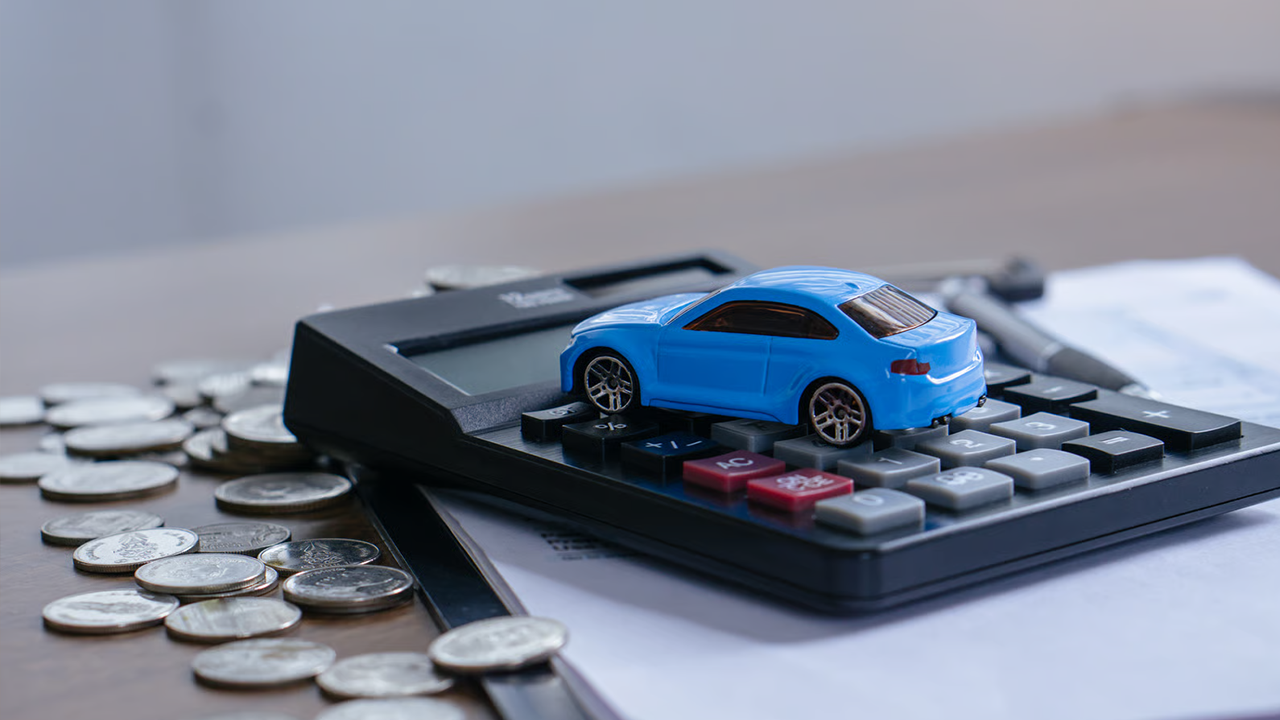
Pay cash if you have enough savings after the purchase
Buying a car with cash suits those who keep a sufficient emergency cushion after the purchase, equal to three to six months of expenses. Emptying your savings to avoid a car loan can create a greater risk than the interest saved, especially if a major repair or a loss of income occurs in the months that follow.
Finance if you want to preserve your liquidity
Auto financing lets you keep cash for contingencies or projects, while spreading the cost through a predictable monthly car payment. This option makes sense when your savings are already tied up in an RRSP or a real estate project, where a withdrawal would trigger penalties or lost returns. It applies just as well to financing for a used car as to a new vehicle.
Compare both options based on your real budget
Buying a car with cash is a great option when the interest rate is high and your savings earn only a modest return. Conversely, a good rate and well-invested savings can make the car loan more attractive.
Financing $20,000 at 8% over five years adds approximately $4,300 in interest. Compare that cost with the return the same amount could earn if it remained invested, as well as with the monthly budget available for the vehicle .
Comparison table: paying cash vs. auto financing
This table gives you a quick look at the strengths and limits of each option for your car budget.
| Criteria | Pay cash | Auto financing |
|---|---|---|
| Interest paid | None | Depends on the rate and term |
| Available cash | Reduced immediately | Preserved |
| Monthly payment | None | Fixed, as per the contract |
| Effect on credit score | None | Positive if repaid on time |
| Flexibility for unexpected events | Limited | Better |
Reading this table, one conclusion stands out: neither column wins across the board. A cash purchase eliminates interest, while auto financing keeps the edge on liquidity and more freedom when something unexpected happens.
The most overlooked line is often the last one, flexibility: a $2,500 transmission replacement goes down much easier when your savings are still in the account, instead of having been used to pay for your car in one go.
Before you decide, ask yourself a real question: which of the two scenarios would you be more comfortable with, if next month something unexpected happened?
How to compare the total cost of both options?
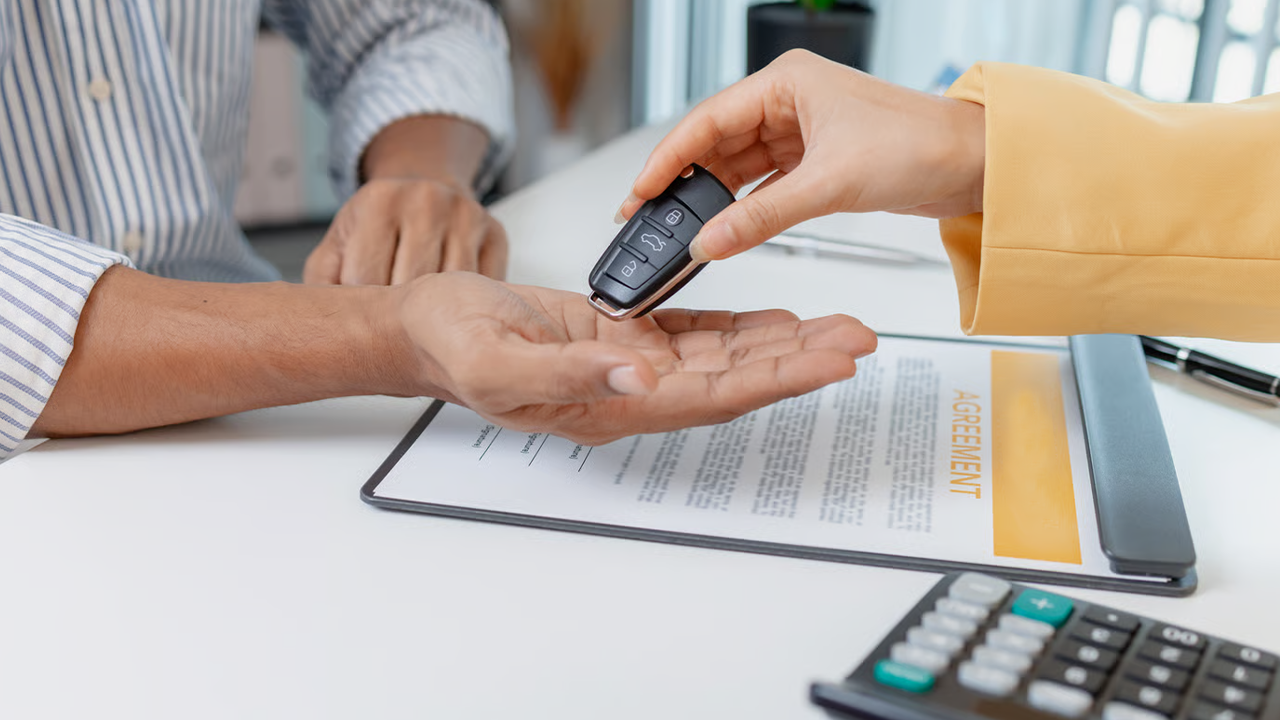
The total cost of auto financing goes beyond the posted monthly payment. Four elements must be added up for an accurate picture.
Vehicle price
This is the common starting point for both options. A negotiated lower price benefits both the cash buyer and the one who finances. Keep in mind that the price is often easier to negotiate before you reveal your payment method.
Interest and loan term
The longer the term, the higher the overall interest bill, even if the monthly payment looks gentler. Buying a car on credit over 84 months costs significantly more in total than a 48‑month loan for the same vehicle.
Insurance, maintenance, and related fees
These costs apply regardless of how you pay, but a financed vehicle may require more comprehensive insurance coverage until the balance is paid off, a condition sometimes imposed by the lender.
Resale value
A vehicle paid in cash is sold without a balance to clear, which simplifies the transaction. A vehicle still financed requires subtracting the loan balance from the amount obtained, and an early sale can leave a gap to cover if the market value has dropped below the outstanding balance.
Which option should you choose based on your situation?
There is no universal answer to the question, “Should I pay cash or prioritize auto financing?” because the same person could answer differently at two moments in their life.
Someone who just paid off their debts and keeps $15,000 aside does not have the same priorities as a new parent whose monthly budget leaves only $200 of wiggle room. That is why it is better to start from your concrete situation rather than from a general principle regarding debt.
If you have a solid emergency fund
With a cushion of three to six months of expenses intact after the purchase, a cash purchase of a car becomes attractive, since it eliminates interest without exposing you to unforeseen events.

If your monthly budget is tight
For a newcomer, auto financing can also be a useful option to preserve cash when settling in, especially if several major expenses are occurring at the same time.
When every dollar counts, auto financing spreads the cost and avoids emptying your reserves. The key is to keep the monthly car payment under 10% of your net income so you do not impact the rest of the budget.
If you want to improve your credit
A car loan repaid on time builds a positive payment history, which raises your score over time. This is a real benefit for anyone looking to rebuild their credit ahead of a future loan.
If you are buying a used car
When financing a used car , the amount to pay upfront often remains high for many buyers. Financing then allows you to access a reliable vehicle without tying up all your savings, while keeping a margin for maintenance.
How can Financement automobile Montreal support you?
When hesitating between cash and financing, it is common to decide on a whim, forgetting half the numbers. Financement automobile Montreal puts both scenarios side by side in front of you for the same vehicle. This way you can understand the monthly payment, the total interest, your remaining emergency fund, and the effect on your credit score.
A client who thought they were saving by paying cash can sometimes realize it is better to compare the cost of interest with the benefit of keeping part of their savings available. The idea is not to push you toward a loan, but to give you the real numbers before you decide. Here are the three concrete steps to help support your decision.
Analysis of your budget
The team reviews your income, savings, and expenses to set a realistic monthly car payment, even before targeting a vehicle. This helps prevent you from committing to a payment that puts too much pressure on your budget.
Comparison of financing options
By comparing several lenders, we find the rate and term that make the car loan genuinely competitive versus a cash purchase. A better rate often changes the conclusion.
Choosing a solution adapted to your situation
Depending on whether you prioritize your liquidity, your credit score, or the lowest total cost, the chosen solution differs. The goal remains the same: pay for your vehicle without compromising the rest of your projects.
FAQ
Is it better to take out a loan or pay cash for a car?
That depends on your savings and the rate offered. Paying cash avoids interest, but financing preserves your liquidity and can be more advantageous if your money earns more than the loan rate.
What is the best financing for buying a car?
The best auto financing is the one with a rate, term, and monthly amount that fits your budget. Comparing several lenders remains the safest way to obtain favourable terms.
Can auto financing help build credit?
Yes. A car loan repaid on time adds a positive payment history to your file, which raises your credit score over time, unlike a cash purchase that has no effect on credit.