
What is my car worth?
What is my car worth?
Posted on July 27, 2026
A car's value depends on several concrete factors: the year, mileage, overall condition, maintenance history, and demand for the model. It also varies by objective, whether it is a private sale, a trade-in at a dealership, or a simple update to your records.

Summary
Summary
- The value of a used vehicle depends on mileage, condition, region, and current demand.
- A free online car estimate is a good starting point, without replacing a professional appraisal.
- A car's trade-in value at a dealership is lower than a car's private sale price.
- The SAAQ value is used to calculate taxes and does not always reflect a car's true market value.
How do I know what my car is worth?
Two complementary approaches let you assess your car accurately: market comparison and professional appraisal.
Compare with similar vehicles for sale
Your first reflex is to check what vehicles that are comparable to yours are selling for. Check with similar make, year, and mileage. Free tools such as CARFAX Canada, Canadian Black Book, or CarGurus calculate a car's market value from these data.
For the same vehicle, results vary: a common model might show about $15,600 on CarGurus, a range of $13,000 to $16,000 on CARFAX Canada, and a more cautious estimate of $10,000 to $11,000 on Canadian Black Book.
Have your vehicle appraised by a professional
A dealer or an appraisal centre can inspect the vehicle in person and account for details online tools miss, such as mechanical wear or repaired damage. To avoid an offer that is too low, have your car appraised in more than one place and compare, rather than relying on a single opinion.
Which criteria influence your automobile's value?
Five factors carry the most weight in your automobile's value, and knowing them helps explain the gap between two estimates.
The year, make, model and trim
Some brands retain their value better than others. Toyota often leads among non-luxury vehicles, as does Lexus on the luxury side. For the same year and mileage, a better-equipped trim, with a sunroof or heated seats, sells for more than a base trim.
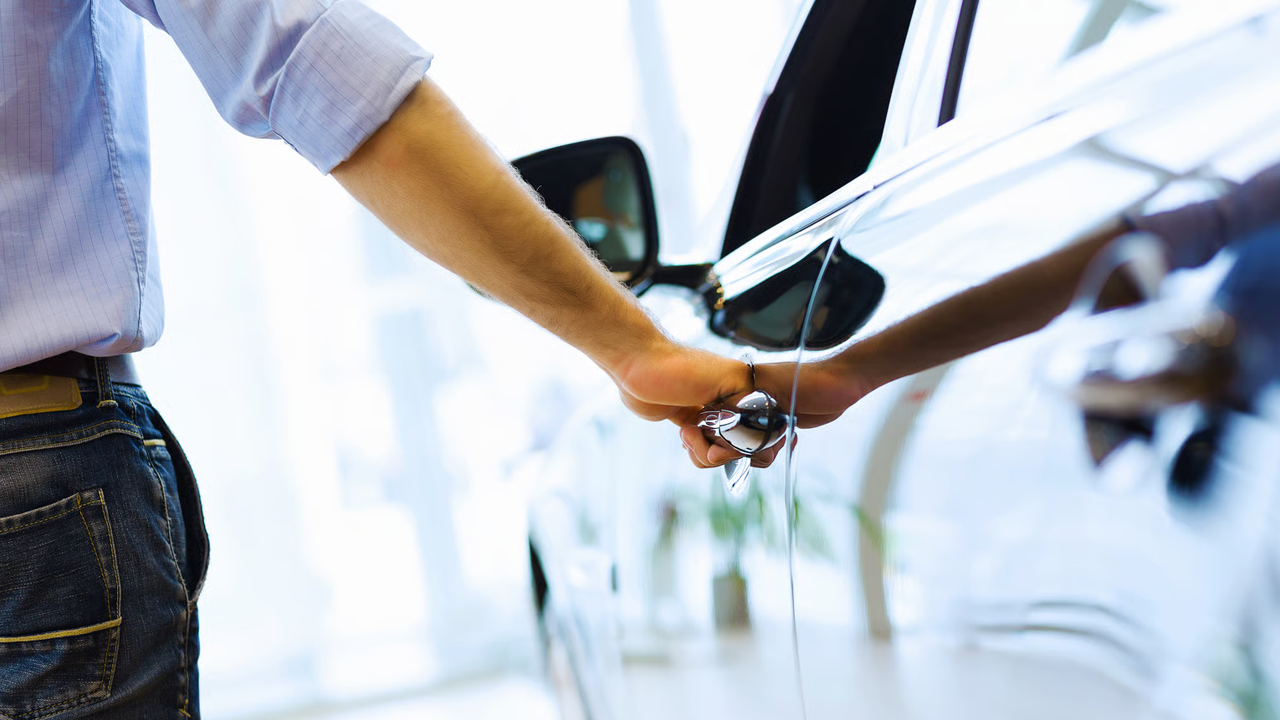
Mileage
This is the most decisive factor. A vehicle showing double the average mileage for its age loses a significant portion of its value, even if it is in good condition. Conversely, low documented mileage pushes up a car's selling price.
The vehicle's overall condition
The body, interior, tire wear, and proper mechanical operation directly influence the offer. Major damage, whether from an accident, vandalism, or a natural disaster, lowers the value of a used vehicle, even after repair.
Accident and maintenance history
A complete maintenance file and no major accident reassure buyers and support the price. A history report, like CARFAX Canada, proves these points rather than simply stating them, which tangibly matters in negotiation.
Market demand for this model
A model that is sought after in your region sells faster and for a higher amount. Colour matters too: neutral shades such as black, white, or grey tend to hold their value better, while a very trendy colour can go out of style and reduce buyer interest.
Resale value or trade-in value: what is the difference?

A car's resale value is the price you get when you sell it yourself to a private buyer, while a car's trade-in value is what a dealer offers to take it back. The trade-in is almost always lower because the dealer must then inspect, recondition, warrant, and resell the vehicle, which naturally reduces the amount offered.
A gap of $2,000 to $4,000 between the two options is therefore common. A private sale typically brings in more, but requires time and managing viewings; a trade-in is simpler and faster.
How to increase your car's value before selling?
A few simple, low-cost actions can clearly improve a car's selling price before you put the vehicle on the market.
Clean and prepare the vehicle
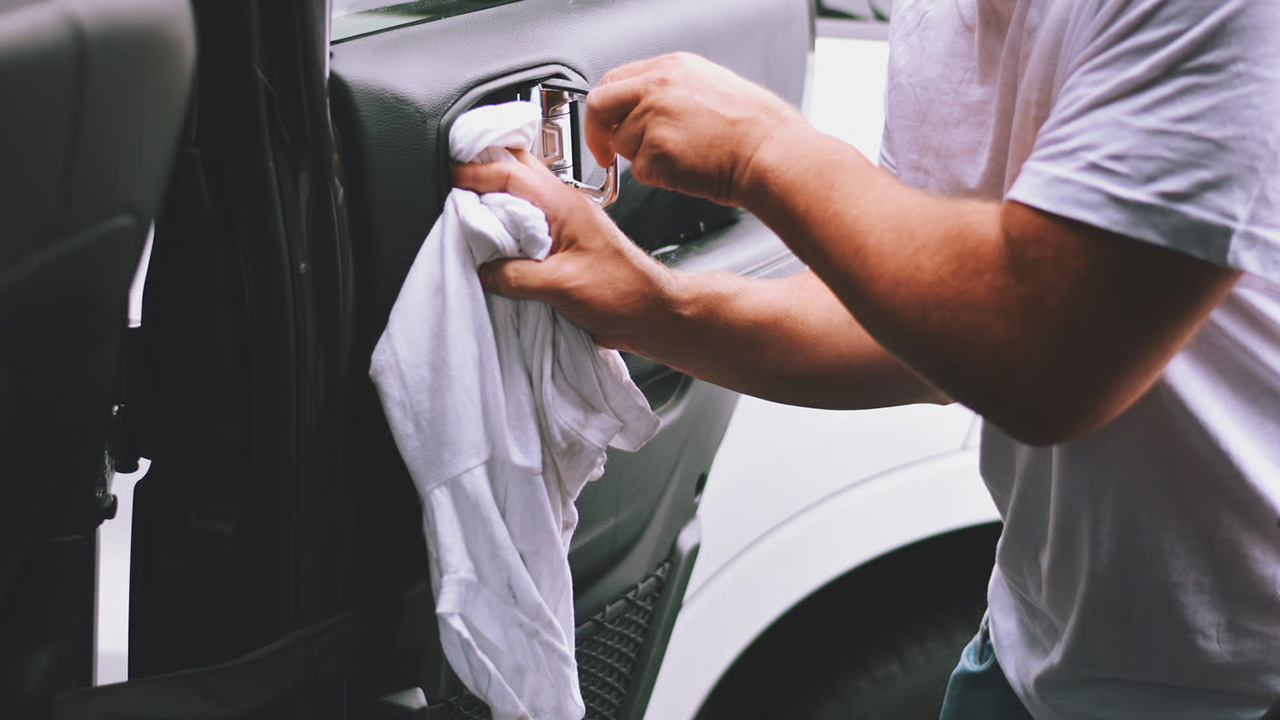
A thorough interior and exterior cleaning, or even professional detailing, gives a first impression that supports a higher price. A vehicle that smells fresh and shines in photos draws more buyers than a neglected one at the same price.
Gather maintenance receipts
Collecting proof of oil changes, brake work, and repairs reassures the buyer about the seriousness of the maintenance. This documented file often adds a few hundred dollars when negotiating.
Fix small visible issues
A burnt-out bulb, a cracked windshield, or a worn tire are obvious and become arguments to lower the price. Fixing these low-cost details prevents a buyer from negotiating down far beyond their real value.
Pick the right time to sell
A convertible / cabriolet sells better in the spring, an all-wheel drive vehicle as the Quebec winter approaches. Selling your car when demand for that type of vehicle is strong can make a real difference in the price obtained.
Is the SAAQ value the real value of your car?
Not exactly. In Quebec, for a used vehicle 14 years old or less, QST can be calculated from the estimated value if it is higher than the declared sale price. This value corresponds to the average wholesale selling price in the Guide d'évaluation Hebdo, minus $500. It can, therefore, differ from the real market value of a car, which better reflects what a buyer is willing to pay in the market.
Once you know your current vehicle's value, it becomes easier to plan the next step: pay cash, use the trade-in as a down payment, or apply for an auto loan if the amount obtained does not cover your next purchase. To replace the vehicle, several solutions also let you finance a used car, with or without a trade-in.
FAQ
How do I find the current value of my car?
By comparing your vehicle to similar models for sale and using an estimation tool like CARFAX Canada or Canadian Black Book, which considers the year, mileage, and region.
How can I find out how much my car is worth for free?
Several tools offer a free car estimate online, including CARFAX Canada, Canadian Black Book, and CarGurus. Enter the make, model, year, mileage, and postal code to get a price range.
What is the difference between market value and trade-in value?
Market value is the realistic price a buyer might pay on the open market, while trade-in value is the dealer's offer to take back your car.
How do I find a vehicle's value at the SAAQ?
For a used vehicle 14 years old or less, the estimated value corresponds to the average wholesale selling price in the Guide d'évaluation Hebdo, minus $500. It can be used to calculate QST if it is higher than the declared sale price.
What factors reduce a car's overall value?
High mileage, accident history, neglected maintenance, a less popular colour, or visible damage can all reduce resale value.